
Islanding, Interconnection & Standards
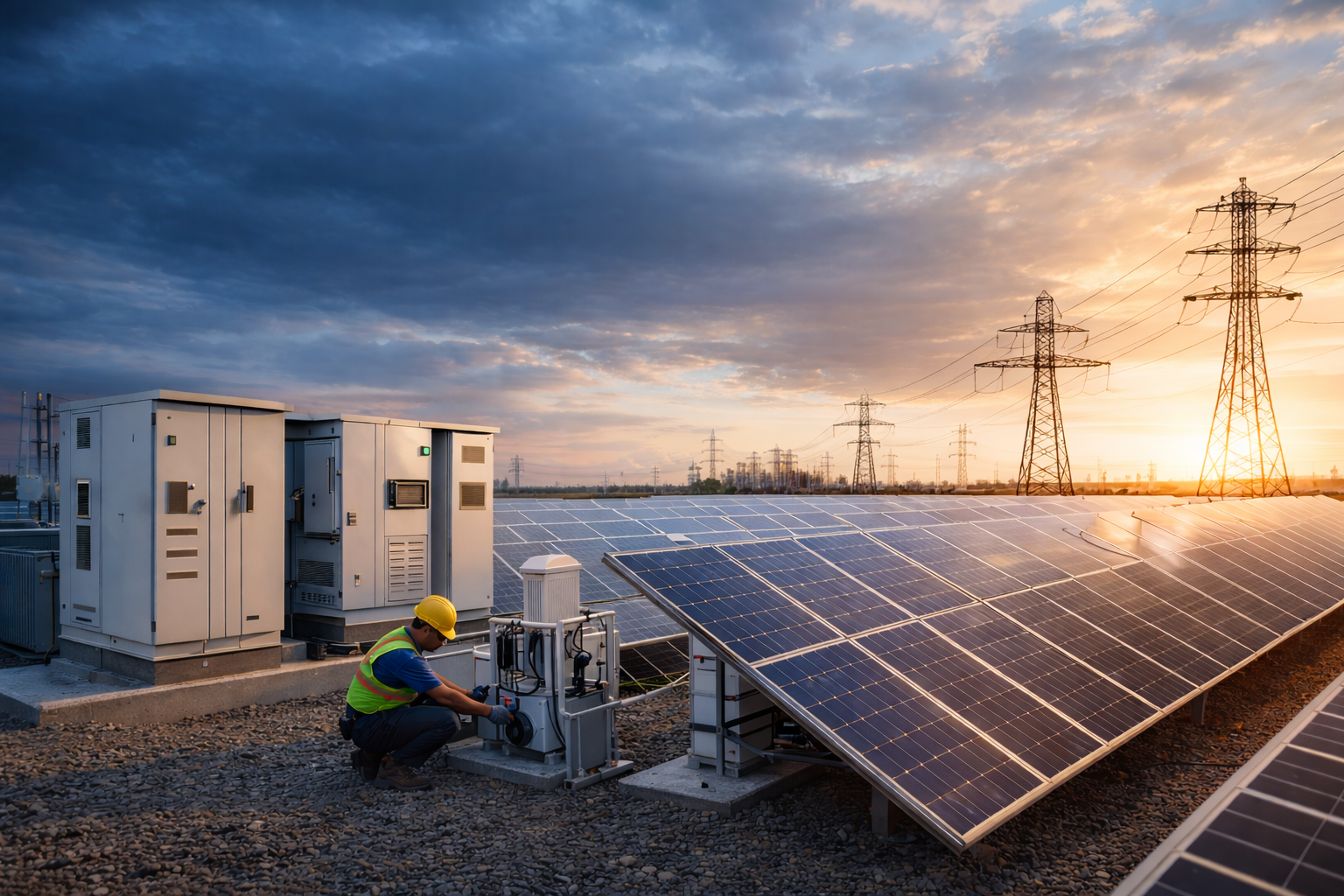
Your central hub for safe, compliant, utility-approved solar + storage deployment.
Whether you're designing a residential battery backup system or deploying a multi-site commercial solar project, interconnection rules and anti-islanding standards can make or break your approval timeline. This hub simplifies the requirements, translates technical standards into clear action steps, and helps you build systems that meet utility and state compliance from day one.
Explore standards. Understand requirements. Get approved faster.
Islanding, Interconnection & Standards (Hub)
Your central hub for safe, compliant, utility-aligned solar + storage deployment. Turn technical standards into clear planning actions and reduce approval friction from the start.
Intro / What This Hub Covers
Interconnection and islanding requirements can vary by region, utility territory, and system configuration—but the objective remains the same: protect the grid, protect people, and protect long-term project performance.
What You’ll Find Here
This hub brings together the core standards, planning tools, and applied design guidance needed for:
- Utility interconnection compliance
- Anti-islanding protection and safe shutdown requirements
- State-by-state interconnection rules and permitting considerations
- Fault protection layouts and protection device placement
- Utility coordination best practices for documentation, timelines, and approvals
Section 1: Standards & Frameworks
Interconnection standards exist to ensure distributed energy resources (DERs) such as solar PV and energy storage systems (ESS) operate safely, reliably, and in coordination with the grid.

Key Standards That Shape Interconnection
Clear explanations, design implications, and practical compliance guidance for foundational standards, including:
- IEEE 2030.7–2020 – Microgrid controller functional requirements
- IEEE 1547 / 1547.1 – Interconnection and interoperability of DERs
- UL 1741 (SB/SA) – Inverter certification and grid support functionality
- NFPA 70 (NEC) – Electrical safety, wiring, and equipment installation requirements

How to Use This Section
Use the standards library to confirm which requirements apply to your system type (PV-only, PV+ESS, or microgrid), then align protection settings, diagrams, and test documentation before submitting to the utility.
- Match inverter certifications to utility requirements
- Confirm anti-islanding settings and trip thresholds
- Build single-line diagrams that reflect both code and utility expectations
Section 2: State-by-State Requirements
Every state—and often each utility territory—applies different interconnection requirements. Some allow streamlined approvals for smaller systems, while others require more detailed studies and multi-stage utility review.

State Rules Are Not One-Size-Fits-All
- Interconnection pathways (fast track vs. full study)
- Typical documentation requirements
- Timelines and utility review stages
- Special requirements for batteries and export control
- Net metering and compensation considerations, where applicable

Pro Tip
If your project spans multiple utility territories, use the strictest practical common-denominator approach for protection and documentation. In many cases, this reduces rework and shortens approval cycles.
- Standardize diagram symbols and labeling
- Maintain a single source-of-truth submission packet per site
- Track utility comments, revisions, and resubmissions carefully
Section 3: Fault Protection Layouts
Proper placement of disconnects, relays, breakers, and protective devices ensures systems isolate correctly during faults, prevent equipment damage, and comply with utility protection expectations.

Protection Design That Keeps Systems Safe
- Typical single-line diagram examples
- Common protection device configurations
- Placement best practices for PV + ESS systems
- Utility-required disconnect and isolation considerations
- Field-proven layouts and coordination notes

Common Layout Checks
Before submitting, confirm these items to reduce utility revisions and review delays:
- Visible, lockable AC disconnect where required
- Correct labeling for service, DER, and ESS points of connection
- Breaker sizing consistent with conductor ratings and code requirements
Section 4: Utility Coordination
Utilities are not trying to block DER adoption—they are trying to preserve grid stability and public safety. The most effective way to reduce delays is to submit complete documentation and design systems that align with requirements from the outset.

Work With Utilities—Not Against Them
- Utility coordination timelines and what to expect
- Common approval bottlenecks and how to avoid them
- Interconnection application checklist
- Commissioning and testing requirements
- Best practices for communication and documentation

Submission Quality = Approval Speed
Utilities move faster when submission packets are complete, diagrams are consistent, and settings and test plans are clearly stated. Maintain a revision log and resubmit with highlighted changes when requested.
- Use a consistent naming convention across all documents
- Attach certifications and datasheets early in the process
- Provide clear commissioning steps and pass/fail validation checks